November 9, 2026
Dental emergencies happen unexpectedly, turning a quiet routine into a distressing situation that requires swift, decisive action. Severe toothaches, cracked enamel, dislodged restorations, and sudden physical impact injuries can quickly jeopardize oral health if left unaddressed. Understanding the nature of urgent dental problems allows patients to recognize serious threats, manage uncomfortable symptoms promptly, and find qualified clinicians who can provide immediate relief.
Ignoring acute dental trauma or delaying treatment often causes localized infections to spread, resulting in structural tooth loss and complex restorative procedures. Taking rapid and informed steps limits complications, preserves natural tooth structure, and accelerates the healing process. By discovering how to evaluate symptoms, apply safe initial comfort measures, and connect with reputable professionals, individuals can navigate unexpected dental distress with greater confidence and physical comfort.
Identify Common Oral Health Crises
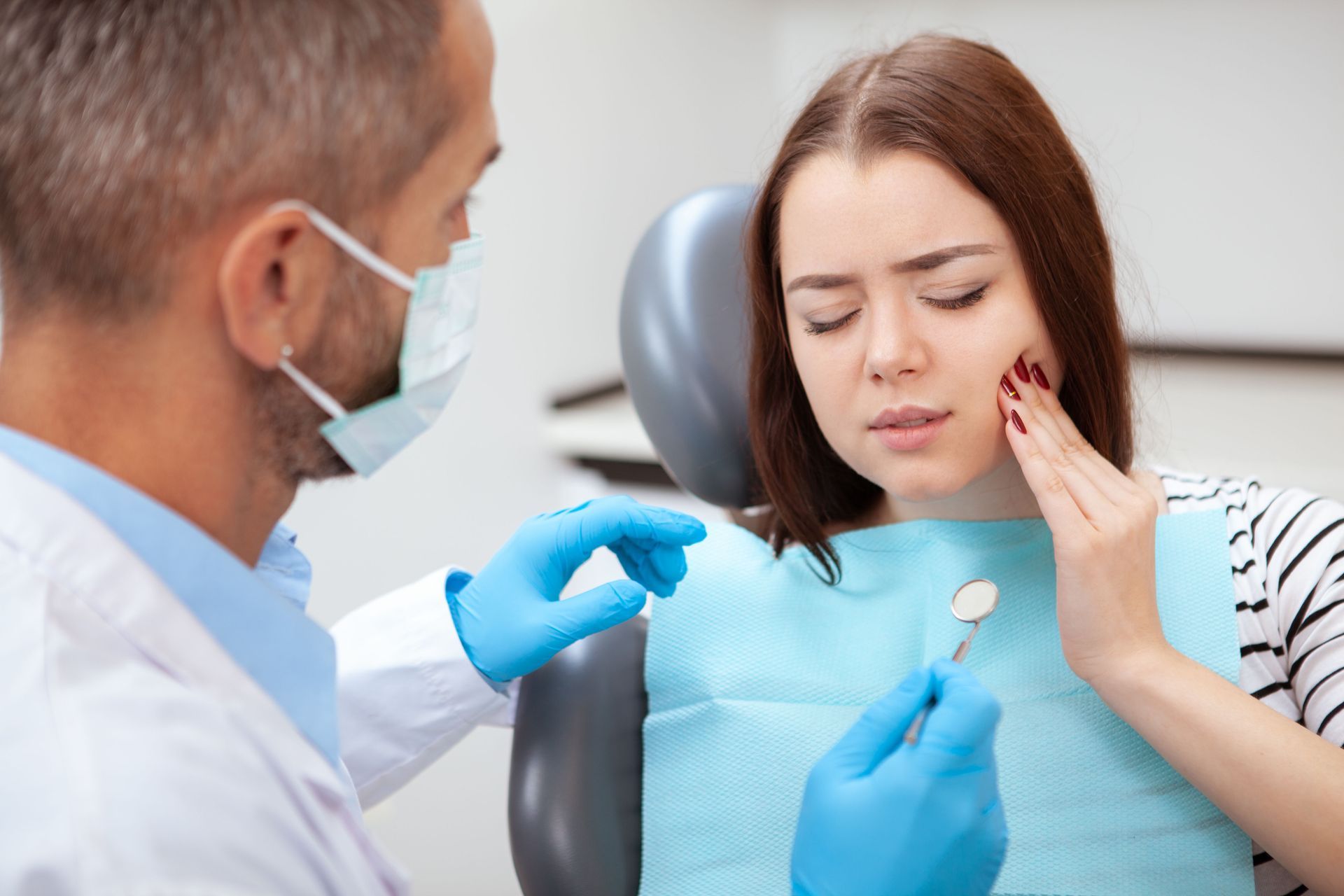
Dental emergencies range from throbbing toothaches to traumatic injuries that break, fracture, or displace teeth. Urgent situations also encompass damaged gum tissue, oral lacerations, and severe swelling caused by bacterial abscesses. Recognizing these warning signs promptly helps patients determine whether immediate clinical attention is necessary. While mild temperature sensitivity can wait for a standard checkup, sharp pain, persistent bleeding, or loose teeth indicate urgent distress. Knowing how to assess the severity of these symptoms enables individuals to consult emergency dentists and prevent more serious structural damage.
Taking sensible protective measures before reaching a dental clinic stabilizes the injured area and eases discomfort. Patients should gently rinse their mouths with warm water to clear debris, apply cold compresses to control external facial swelling, and avoid chewing on damaged surfaces. If a tooth is knocked loose or completely displaced, preserving moisture around the root is vital for successful re-implantation. Consistent preventive habits, including wearing mouthguards during athletic activities and scheduling routine dental evaluations, minimize the danger of sudden trauma while keeping smiles healthy.
Relieve Sudden Pain and Physical Discomfort
Managing discomfort during an urgent situation requires safe short-term strategies while waiting for a professional evaluation. Over-the-counter pain relievers can alleviate soreness and reduce inflammation, though patients must swallow medications rather than placing tablets against gum tissue. Applying an ice pack to the cheek numbs aching nerves and curbs facial swelling caused by blunt force. Simple home remedies, such as rinsing with mild saltwater solutions, cleanse irritated tissues and soothe painful spots. Natural topical aids like clove oil also provide temporary numbing when gently applied around aching teeth until emergency dentists can intervene.
Assembling a dedicated dental first-aid kit ensures household members can respond quickly to unexpected oral trauma. Helpful kits typically contain sterile gauze pads, small storage containers, antiseptic mouthwash, and temporary dental cement to cover exposed nerves. Beyond physical supplies, maintaining emotional composure is critical during urgent crises because intense panic often amplifies physical discomfort. Anxiety during oral crises is common, and according to research conducted by Forbes Health, 38% of surveyed individuals experience apprehension or fear regarding visits to dental clinics. Practicing calm breathing exercises helps patients make sensible decisions while preparing for care.
Locate Experienced Providers for Urgent Care
Finding reputable emergency dentists quickly can make the difference between saving or losing an injured natural tooth. Online dental directories and regional listings help patients locate nearby clinics that offer extended evening hours or weekend consultations. Many dentists maintain dedicated telephone hotlines to assist individuals experiencing intense discomfort outside typical business schedules. Reviewing clinical qualifications and patient reviews ensures that the selected practice delivers dependable care. Promptly calling a clinic allows injured individuals to describe symptoms and receive immediate triage instructions.
When distance or scheduling constraints prevent an immediate clinic visit, virtual telehealth consultations provide valuable interim guidance. Experienced dental professionals can assess visible swelling, review injury photos, and prescribe necessary antimicrobial medications through tele-dentistry portals. In cases involving uncontrolled bleeding or severe facial trauma, visiting a hospital urgent care facility serves as a vital temporary solution. When selecting emergency dentists, patients should prioritize practices with comprehensive diagnostic tools, gentle sedation options, and clear treatment plans to restore comfort.
Maintain Comprehensive Wellness Following Dental Trauma
Recovery following urgent oral treatment requires diligent follow-up care to confirm that tissues are healing properly. Patients should attend all scheduled post-treatment checkups so emergency dentists can monitor restorative work, examine bone stability, and ensure underlying infections have resolved completely. Adhering to professional post-operative instructions ensures smooth healing and lowers the chance of secondary complications. Clinicians often recommend resting quietly, modifying dietary choices toward softer foods, and avoiding strenuous physical workouts that could elevate blood pressure and trigger renewed bleeding.
Caring for emotional wellbeing is equally vital because sudden dental crises can leave lingering anxiety and stress. Patients experiencing nervousness after oral trauma benefit from open conversations with their dental team or mindfulness techniques that promote relaxation. Sustaining daily oral hygiene, such as gentle brushing and alcohol-free rinses, protects healing gums from opportunistic bacteria. Taking proactive steps, including avoiding tough candies and wearing nighttime mouthguards to stop grinding, protects treated teeth from repeat fractures and preserves lasting oral health.
Review Financial Policies and Treatment Expenses
Navigating the financial aspects of urgent dental care helps reduce stress during an already challenging situation. Most dental insurance policies provide coverage for urgent diagnostic exams, protective digital X-rays, and essential restorative procedures required to alleviate severe pain. Calling insurance representatives or consulting front-desk coordinators clarifies specific deductible amounts, copayments, and annual benefit allowances before treatment begins. Retaining receipts, itemized clinical records, and treatment summaries simplifies claim submissions and accelerates insurance reimbursement processes.
Individuals without conventional dental insurance can explore practical alternative solutions to manage treatment expenses effectively. Many emergency dentists provide customized in-house financing options, phased payment plans, or partnerships with third-party medical financing services. Specialized dental discount memberships also reduce procedure fees significantly for enrolled members seeking immediate treatment. Keeping digital copies of insurance cards and medical histories on a smartphone saves valuable time during registration while safeguarding against unforeseen oral crises.
Separate Urgent Dental Facts From Misconceptions
Pervasive myths surrounding dental problems often cause patients to delay necessary treatment, resulting in worsening infections and preventable tooth loss. A common misconception is that a disappearing toothache means the problem resolved on its own, when it frequently indicates that the internal nerve has died. Another widespread falsehood is that emergency dentists cannot be reached outside conventional office hours, discouraging people from seeking urgent relief. Dispelling these inaccurate beliefs empowers individuals to make informed choices that safeguard their dental health.
Accessing reliable educational resources prevents the harmful spread of incorrect health guidance. Individuals should consult established dental organizations, certified clinical professionals, and reputable healthcare portals rather than trusting unverified internet advice. Licensed clinical providers offer evidence-based answers to patient questions, reinforcing the value of timely intervention over unproven home remedies. Prioritizing patient education builds confidence and encourages proactive oral care. Well-informed patients make smart decisions that protect their teeth, support prompt healing, and preserve healthy smiles.
Recognizing oral distress, taking prompt first-aid steps, and reaching out to trusted clinicians ensures effective recovery when dental crises happen. Maintaining a prepared dental first-aid kit and understanding insurance coverage removes anxiety during unforeseen emergencies. When patients respond quickly to physical symptoms, they protect natural teeth, minimize treatment costs, and avoid dangerous complications.
Prioritizing preventative habits and maintaining routine dental checkups creates a solid foundation for lasting oral wellness. Being prepared with knowledge and trusted clinical resources gives you peace of mind whenever oral emergencies arise. Contact our team at Pugh Family Dental today so we can protect your smile and provide the gentle, prompt emergency care you deserve.